Creating the conditions for conservation to last.
People are part of nature, not separate from it. Human-Centred Conservation (HCC) recognises that conservation outcomes are shaped by the relationships between people and nature, and by the rights, values, knowledge, institutions and economies that influence those relationships. By putting these realities at the heart of how conservation is designed and governed, HCC seeks to create the conditions for lasting outcomes for both people and biodiversity.
The Case for Change
Despite decades of conservation effort, biodiversity continues to decline.
Conservation has achieved important successes around the world. Species have recovered, habitats have been restored and conserved, and new approaches have increasingly recognised the importance of local communitiesrights, local economies and human wellbeing.
Yet the overall trajectory of biodiversity loss remains deeply concerning.
Part of the challenge is that conservation operates within complex social, ecological, economic and political systems influenced not only by ecological interventions, but by how land and resources are governed, who has rights and decision-making power, how costs and benefits are distributed, which knowledge and values shape decisions, and how conservation interacts with people’s wider needs and priorities.
This means that even ecologically sound interventions may struggle to deliver lasting outcomes if the wider conditions needed to sustain them are not in place.
The challenge is not simply how to conserve nature, but how to create the conditions in which conservation can last.
Conservation in a Connected World
Biodiversity is shaped by how people use, value, govern and relate to the landscapes around them. Conservation is therefore inseparable from questions of rights, livelihoods, culture, knowledge and decision-making.
These relationships are often most immediate for people living closest to biodiversity. Human-Centred Conservation places particular emphasis on their rights, knowledge, values and leadership, while recognising that responsibility for sustaining biodiversity belongs to us all.
Human-Centred Conservation also recognises that human and ecological priorities will not always align. Rather than ignoring these tensions, it brings the choices and trade-offs they create into how conservation is designed and governed.
Human-Centred Conservation, Explained
Watch our short introduction to the thinking behind Human-Centred Conservation.
Human-Centred Conservation Asks Different Questions
Who defines conservation goals?
Who has authority to decide?
Who receives benefits and bears costs?
Whose knowledge, values and relationships with nature count?
By making these questions explicit, HCC brings power, fairness, recognition and responsibility into conservation decision-making, rather than treating them as secondary considerations.
Recognising and strengthening rights, while ensuring that the benefits and burdens of conservation are shared fairly.
Grounding decision-making with those living closest to biodiversity, while recognising that governments, institutions and the wider public all have important roles to play.
Building conservation on trust, legitimacy and respect for local knowledge, governance systems and cultures.
Building the knowledge, skills and institutions that enable people to lead and sustain conservation over the long term.
Recognising that conservation does not exist in isolation, but is closely connected to food, water, health, climate, local economies and development.
Pursuing outcomes that strengthen both biodiversity and human wellbeing.
Learning from experience and adapting as ecological and social conditions change.
Supporting global conservation ambitions while recognising that solutions must reflect local priorities, knowledge and realities.
Human-Centred Conservation in Practice
Human-Centred Conservation is not a single model or prescribed set of interventions. It builds on decades of learning from approaches such as Community-Based Natural Resource Management, rights-based conservation, and other people-centred approaches.
HCC can therefore be applied across different conservation approaches and contexts. What remains consistent is the focus on creating the conditions that enable conservation outcomes to last, while how the principles are applied will depend on the people, place and context.
We and our partners are currently exploring Human-Centred Conservation through a number of interconnected areas:
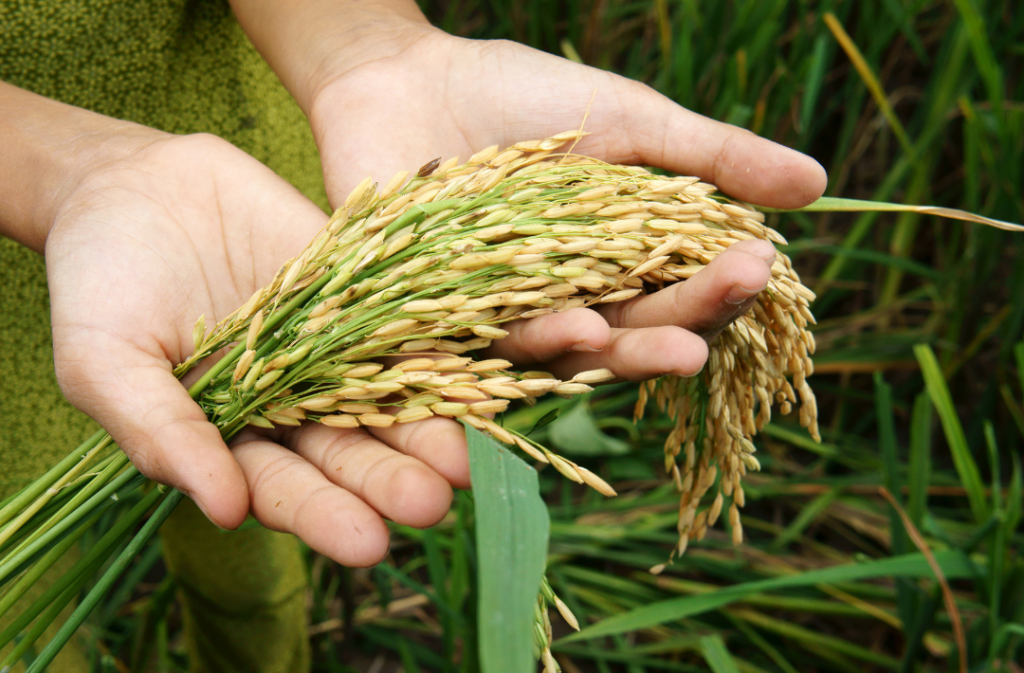
How food systems, natural resource use and people's ability to adapt to change intersect with biodiversity and conservation.
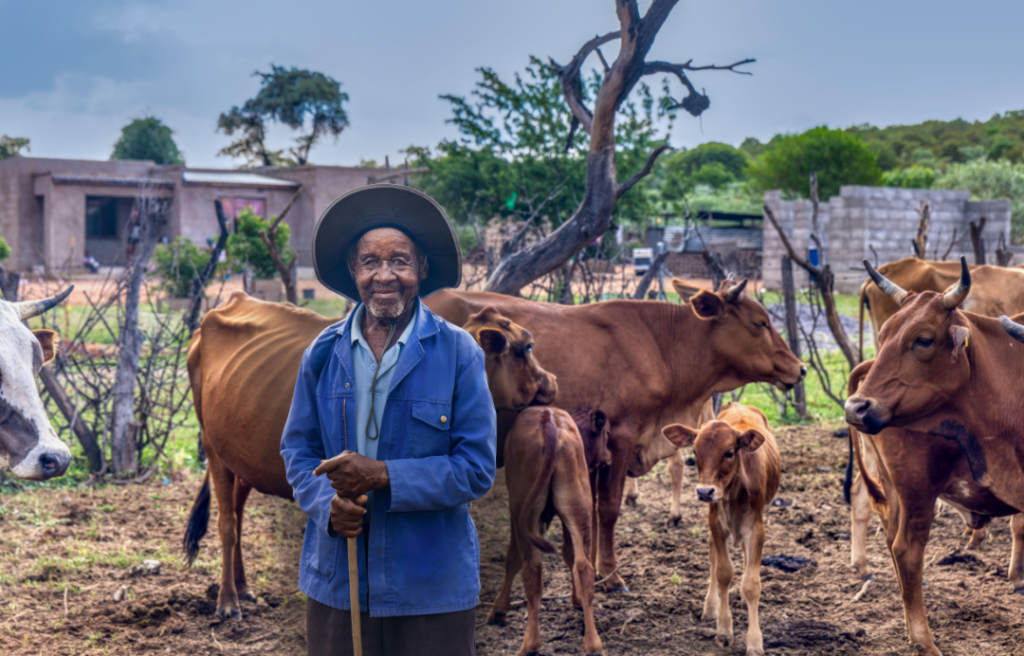
How people and wildlife can share landscapes when living with wildlife can bring both benefits and significant costs.
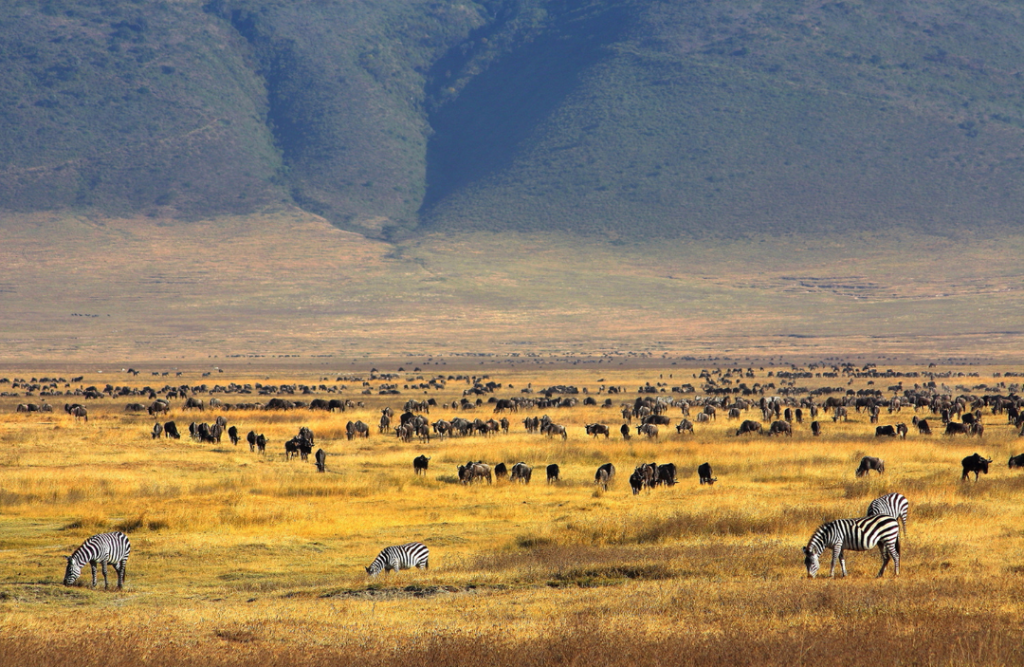
How biodiversity and natural resources can contribute to local economies and create incentives for sustainable management.
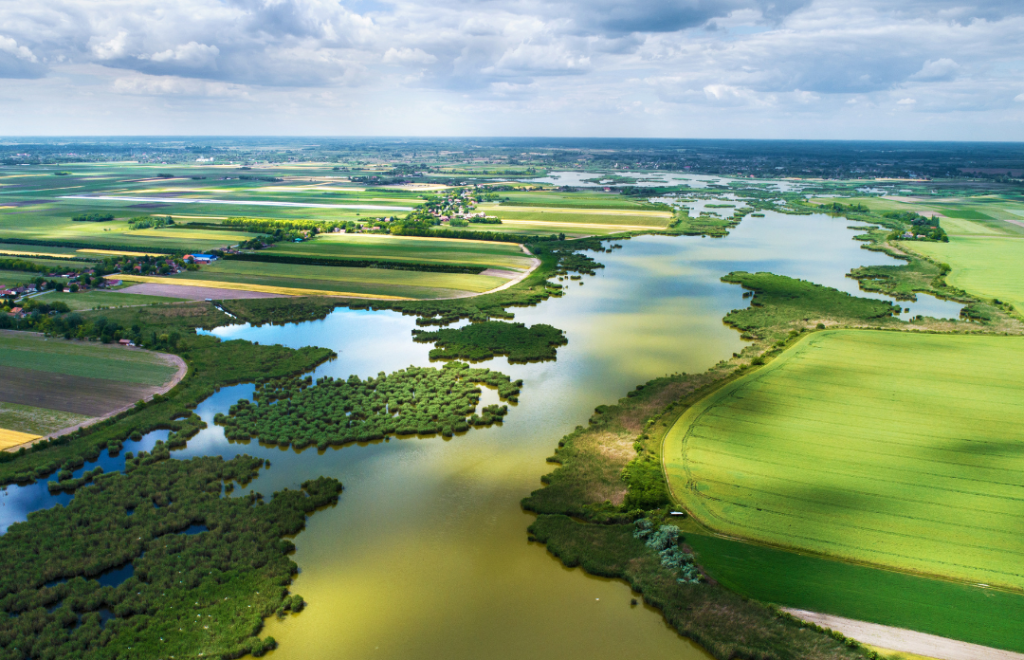
How conservation can work across whole landscapes where people, wildlife, agriculture, settlements and different land uses coexist.
How rights, access to resources and decision-making authority shape people's relationships with nature and conservation outcomes.
These areas do not define the limits of Human-Centred Conservation. They reflect some of the ways in which we and our partners are currently exploring and applying its principles.










Human-Centred Conservation. It’s a mindset, a movement, a mandate for change.
Get in Touch, We’d love to hear from you